Inwangsan to Bugaksan: A 9 km Walk Through Seoul’s History
If you're visiting Seoul for the first time and want to see the city from a different angle, put Inwangsan on your list.
I know. A mountain hike probably isn't the first thing you think of when planning a trip to Seoul. Maybe you're here for the palaces, markets, cafés, shopping and food.
Maybe you don't even hike.
That's exactly why I like the walk from Inwangsan to Bugaksan.
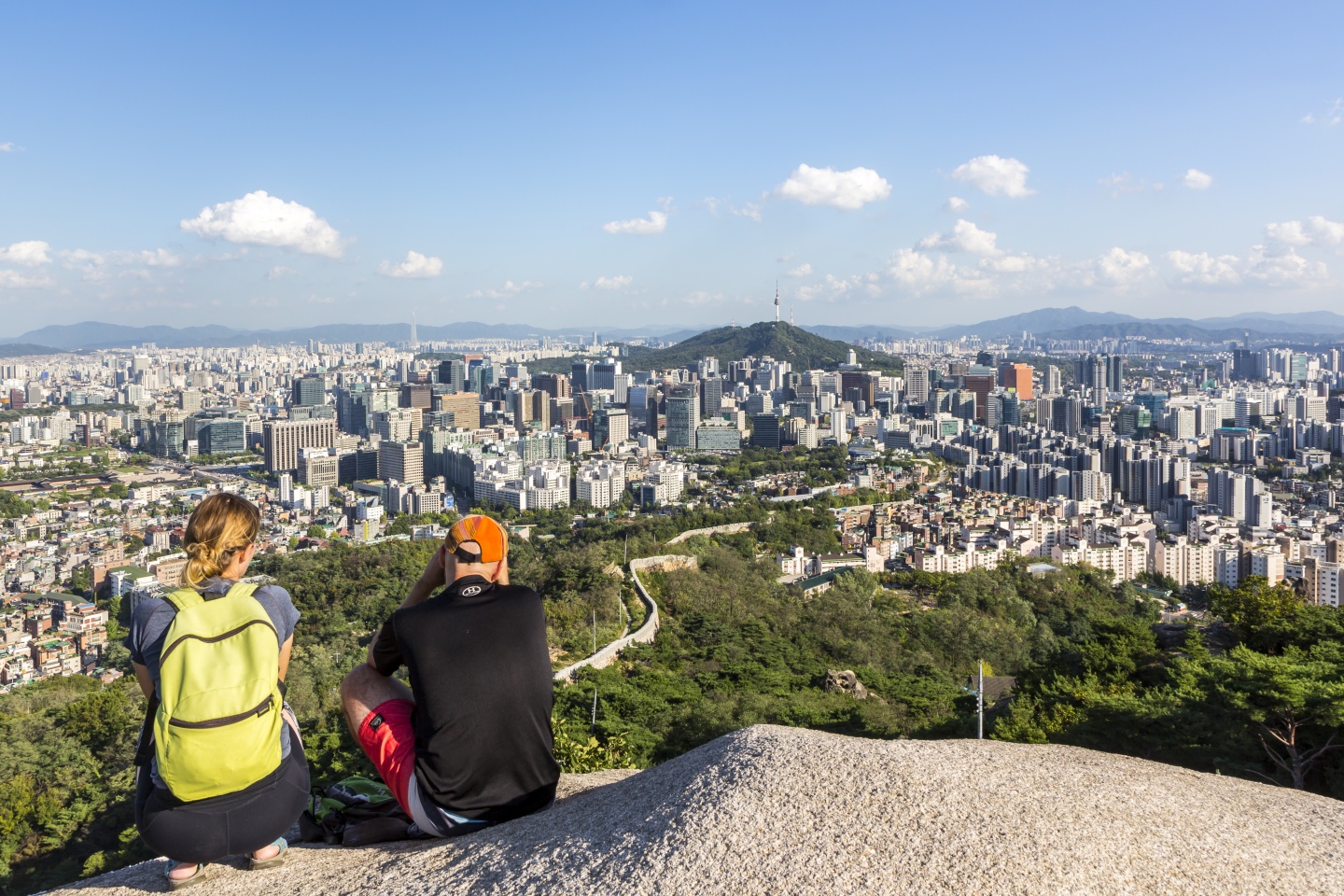
It's not a remote mountain trek. You're right in the middle of Seoul, walking through pine forest one minute and looking down at apartment blocks and skyscrapers the next.
You pass parts of the old Seoul Fortress Wall, get some excellent views of the city, and finish the walk with a much better understanding of how Seoul came to look the way it does today.
The whole route is roughly 9 km, although the exact distance depends on where you start and finish.
And while there are some fairly serious stairs, you don't need to be an experienced hiker to do it.You just need comfortable shoes and a few hours to spare.
Making Memories in Seoul
Some of the best memories you make in Seoul aren't necessarily at the big attractions.
Sometimes it's standing on a mountain with the city spread out in front of you, catching your breath after a long set of stairs and realizing just how far you've walked.
It's stopping for a photo because the view is too good to pass up, laughing with the people you're travelling with, or simply sitting for a few minutes and watching Seoul move below you.
That's what I like about the Inwangsan to Bugaksan walk.
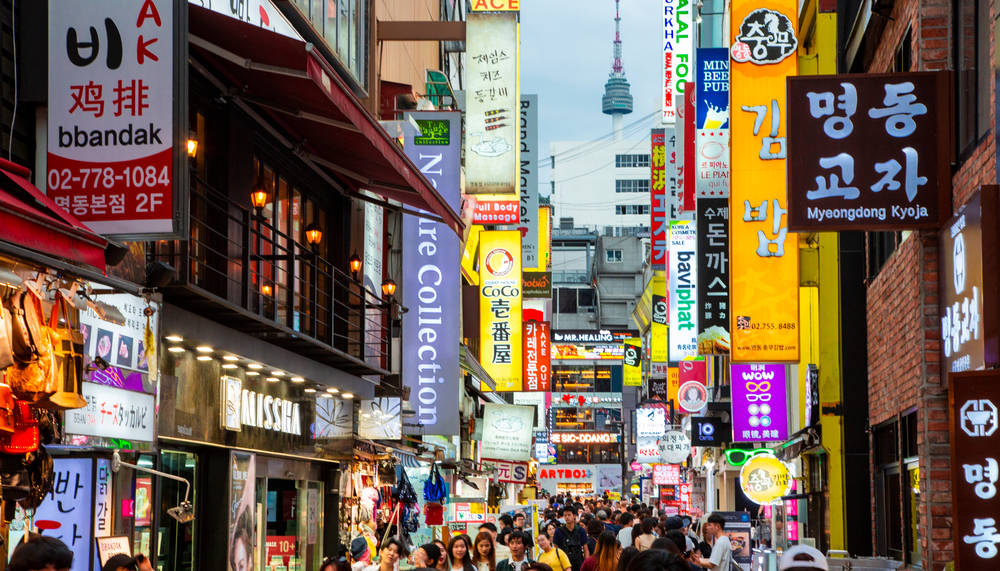
It gives you a few hours away from the busy streets without actually taking you away from the city.
You might have arrived in Seoul expecting palaces, shopping and great food.
And you'll definitely get all of those.
But a morning on the mountain can end up being one of the things you remember most.
The photos are nice, but being there is the part you'll remember.
Inwangsan to Bugaksan: The Basics
INWANGSAN → BUGAKSAN
Distance : 9 km
Walking time : 4–5 hours
Difficulty : Moderate
The Inwangsan to Bugaksan route is around 9 km and takes most people about four to five hours, depending on how often you stop.
I wouldn't rush it.
There are plenty of places where you'll want to stop for a photo, catch your breath, or simply take in the view of Seoul.
In terms of difficulty, I'd call it moderate.
You don't need to be a regular hiker, but you should be comfortable walking uphill and climbing stairs for a few hours.
The distance itself isn't particularly intimidating; it's the repeated climbs that you'll notice.
If you're visiting Seoul and already spend most days walking around the city, you may find it easier than you expect.
You also don't need to turn up dressed like you're about to climb a mountain in the Himalayas.
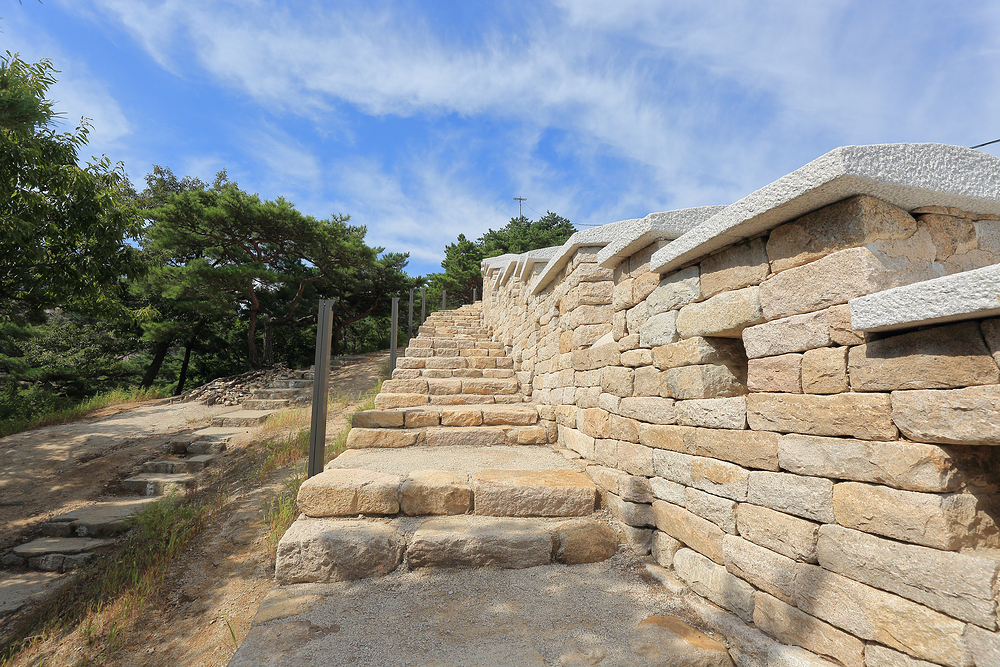
Comfortable walking shoes with a decent grip are fine for most people. I wouldn't recommend slippery sneakers, though, especially after rain when the stone steps and rocky sections can become surprisingly slick.
Bring water with you before you start. Seoul is full of convenience stores, but once you're properly on the mountain, you shouldn't expect to find one whenever you feel like a drink.
A bottle of water and a small snack are usually enough for the walk.
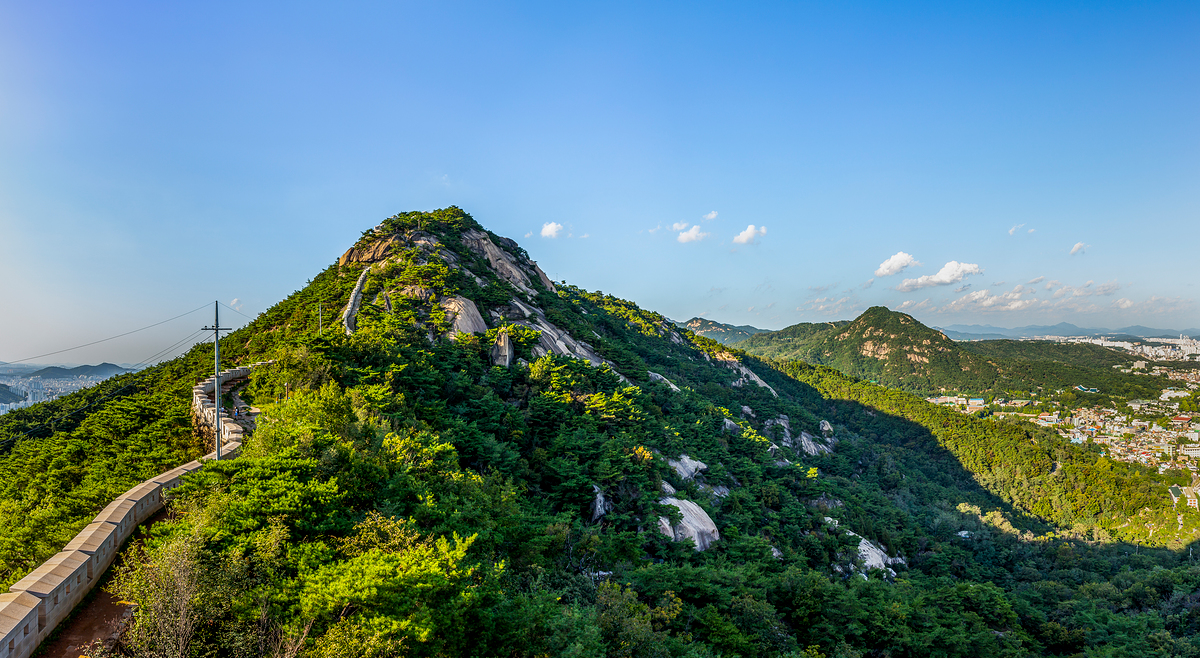
Spring and autumn are my favorite times to do it.
The temperatures are much more comfortable, and the scenery changes with the seasons. Summer is a different story.
Seoul can be hot, humid and 무더운, that heavy, oppressive kind of heat that makes even a short climb feel harder than it should.
- If you're hiking in summer, start early and take more water than you think you'll need.
Winter has its own appeal, particularly on a clear day when the air is crisp and the views can stretch a long way across the city.
Just keep an eye on icy steps and slippery surfaces.
Do you need hiking experience?
No. The important thing to understand is that 9 km doesn't sound like much until you add a mountain to it.
There are plenty of uphill sections, and the stairs can be tiring. If you spend your trip walking 20,000 steps a day, you'll probably be fine.
If your idea of exercise is walking from the subway to a restaurant, you'll want to take your time.
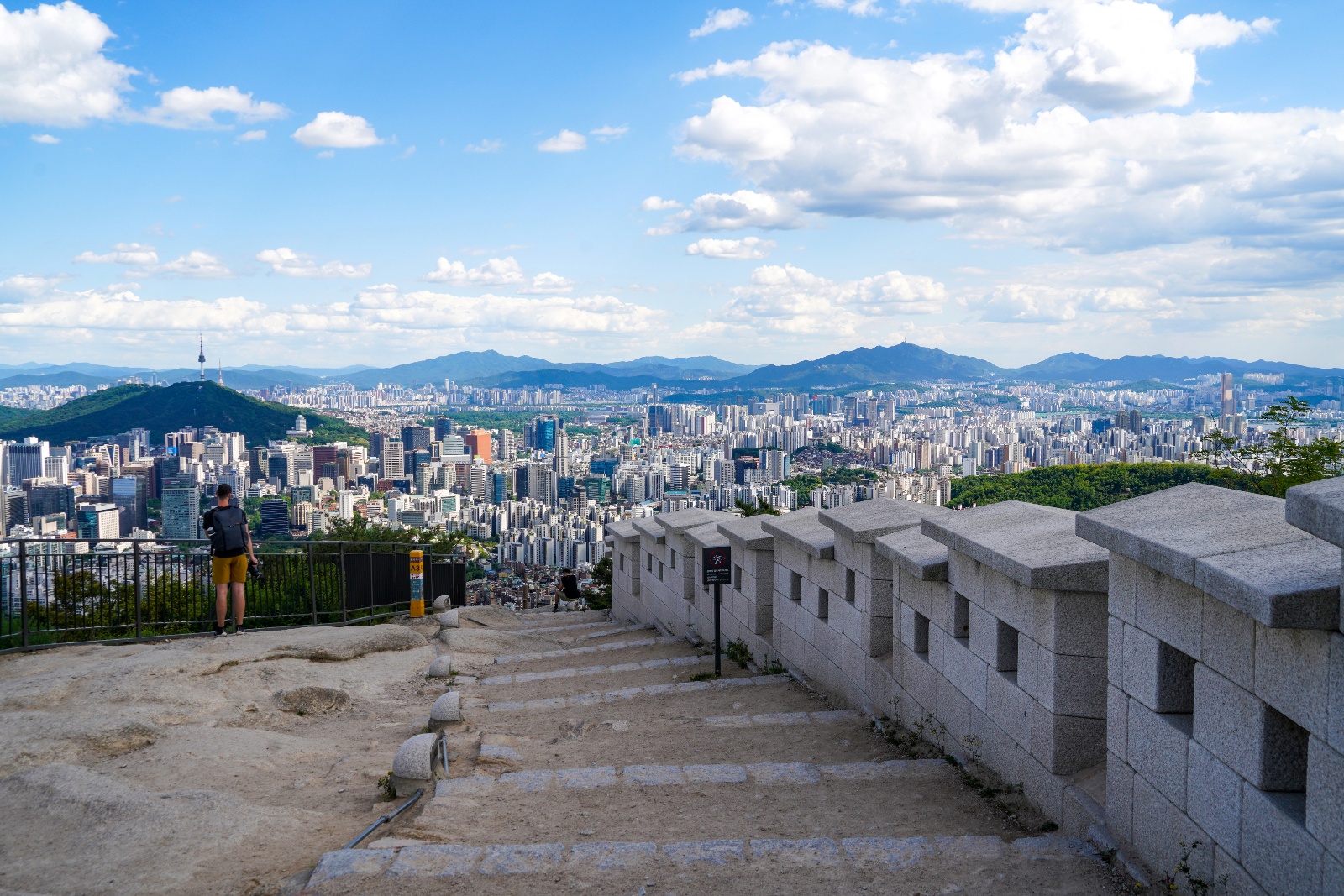
This is an urban hike in Seoul.
You're surrounded by the city for much of the route. You'll see roads and buildings, and you're never particularly far from civilization.
The strange thing is how quickly the city disappears once you get onto the mountain.
That's one of my favorite things about hiking in Seoul.
You can have breakfast in a busy neighborhood, walk for 20 minutes, and suddenly you're standing under pine trees wondering where everyone went.
Then you climb a little higher and Seoul appears again.
Starting on Inwangsan
The first part of the route takes you up Inwangsan, one of the mountains closest to central Seoul.
Inwangsan isn't especially high, it's around 338 meters, but it doesn't need to be.
The climb starts gently enough, then the stairs begin.
And there are quite a few of them.
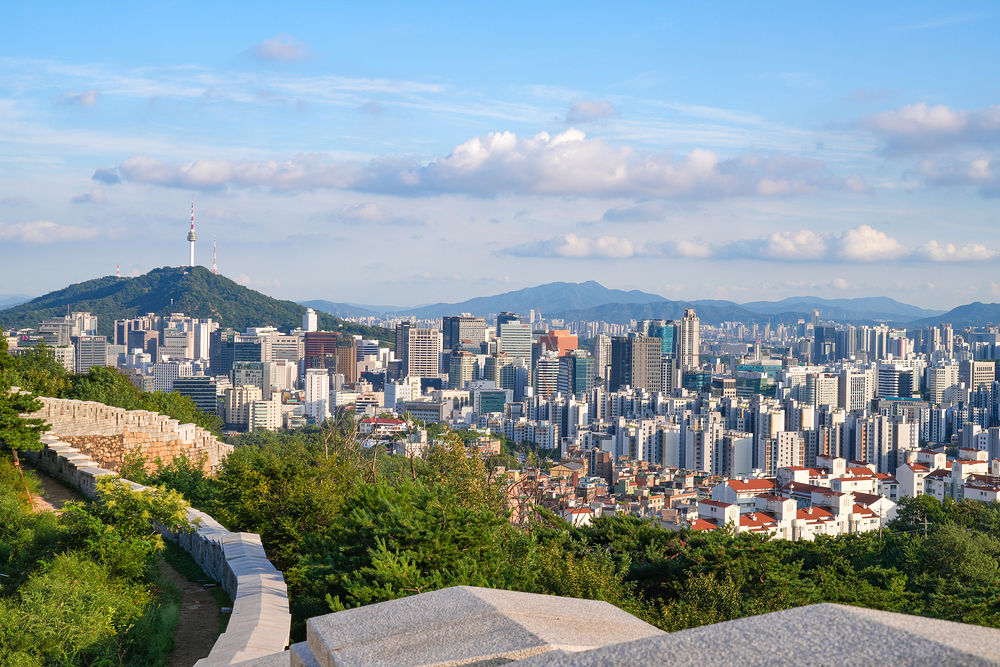
If you're not used to hiking, this is probably where you'll start wondering why you thought this was a good idea.
Don't worry. Stop when you need to.
There's no reason to race up the mountain, and you'll miss some of the best views if you're concentrating only on getting to the top.
The trail passes through sections of pine forest and rocky terrain.
Every so often, the trees open up and you get your first proper look at Seoul from above.
That's usually when the effort starts to feel worthwhile.
The View From Inwangsan
The views from Inwangsan are one of the main reasons to do this walk.
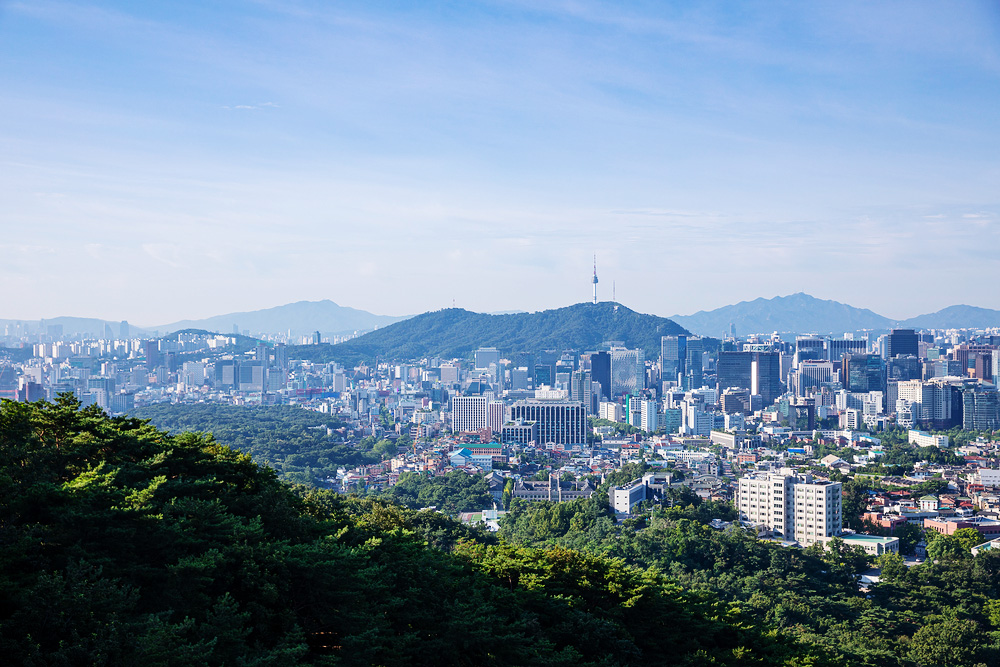
You can look across central Seoul and start picking out places you've probably already visited, or are planning to visit.
The palace district is below you.
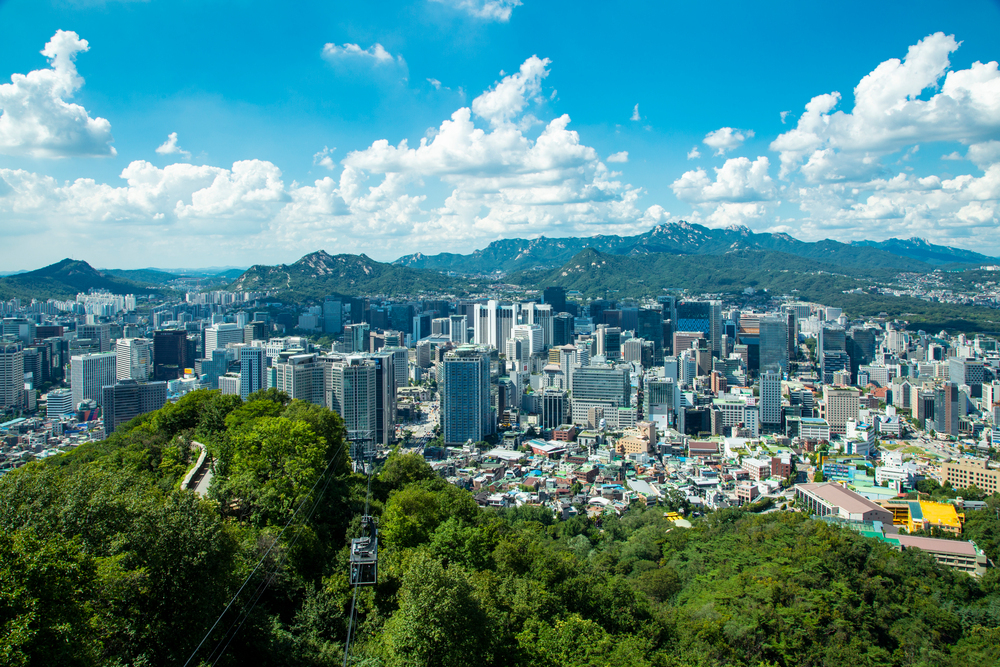
Namsan is visible in the distance, with Seoul Tower on top.
Apartment buildings stretch in every direction, and beyond the city are more mountains.
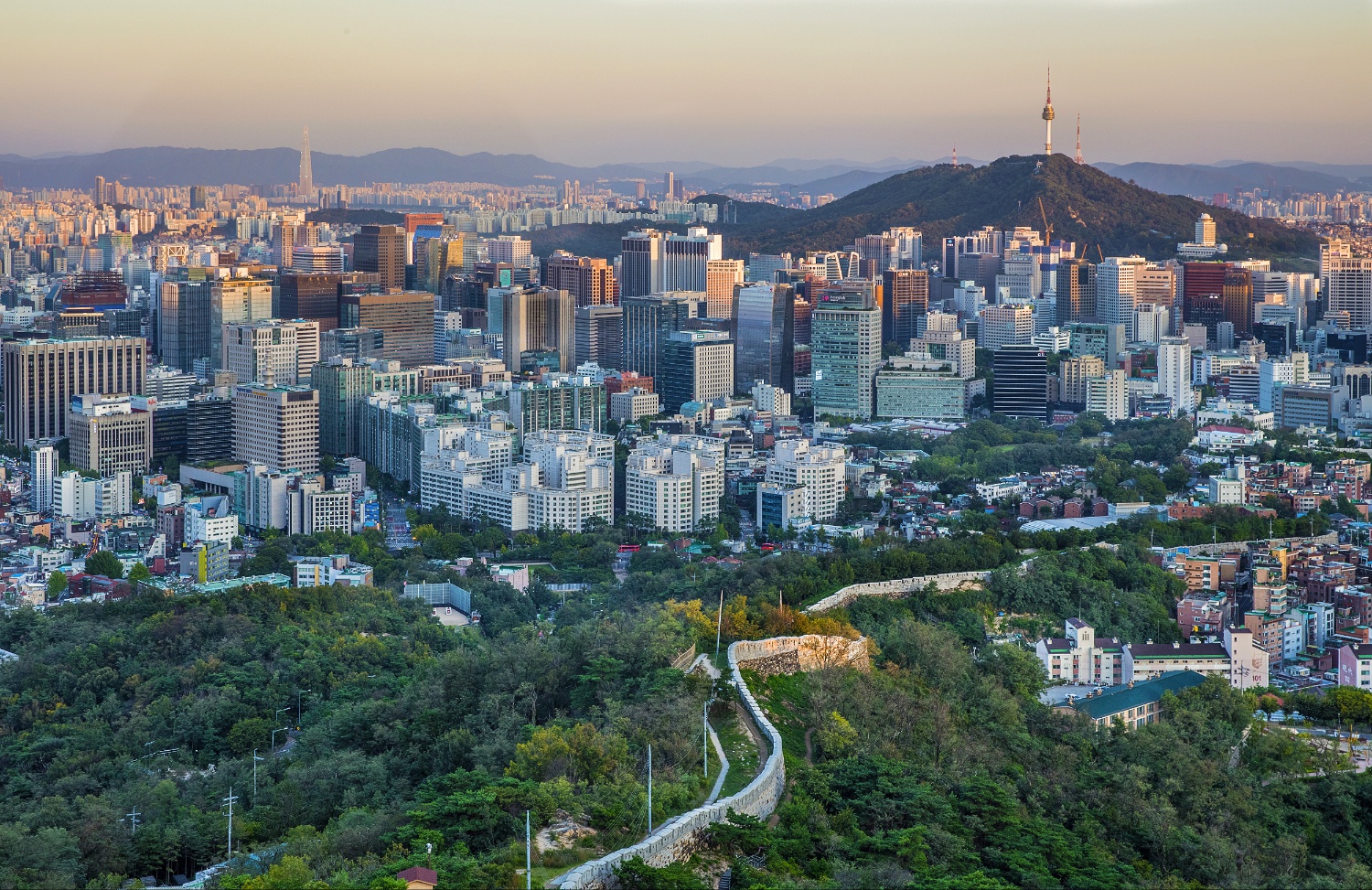
It gives you a completely different sense of Seoul.
From street level, the city can feel endless. From Inwangsan, you can finally see how it's tucked between the surrounding mountains.
And if you're visiting Seoul for the first time, this is something worth seeing.
The Seoul Fortress Wall
From Inwangsan, the route connects with the Seoul Fortress Wall, or Hanyangdoseong.
This is where the walk gets particularly interesting if you're more interested in history than hiking.
The wall dates back to the Joseon dynasty, when Seoul was the capital of the kingdom. It was built around the city as a defensive wall, following the natural ridges of the surrounding mountains.
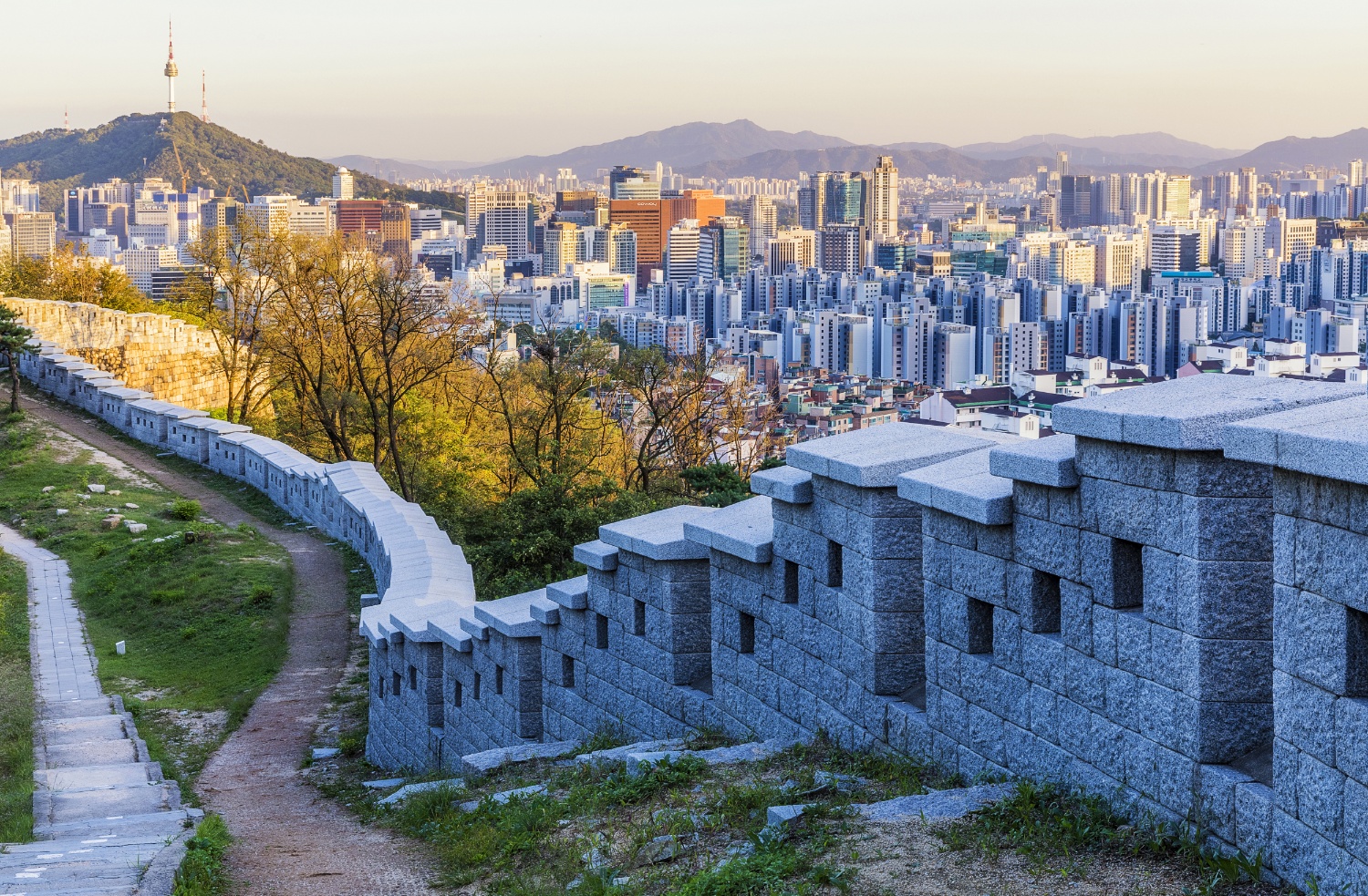
Today, you're walking beside it while modern Seoul carries on below.
It's a slightly surreal combination.
There are old stones under your hand, and then you look down and see traffic, high-rise apartments and office buildings.
This is one of those places where Seoul's history doesn't feel like something you've been told about in a museum. It's right there in front of you.
Why Are There So Many Mountains in Seoul?
If you've spent even a couple of days in Seoul, you've probably noticed that mountains seem to be everywhere.
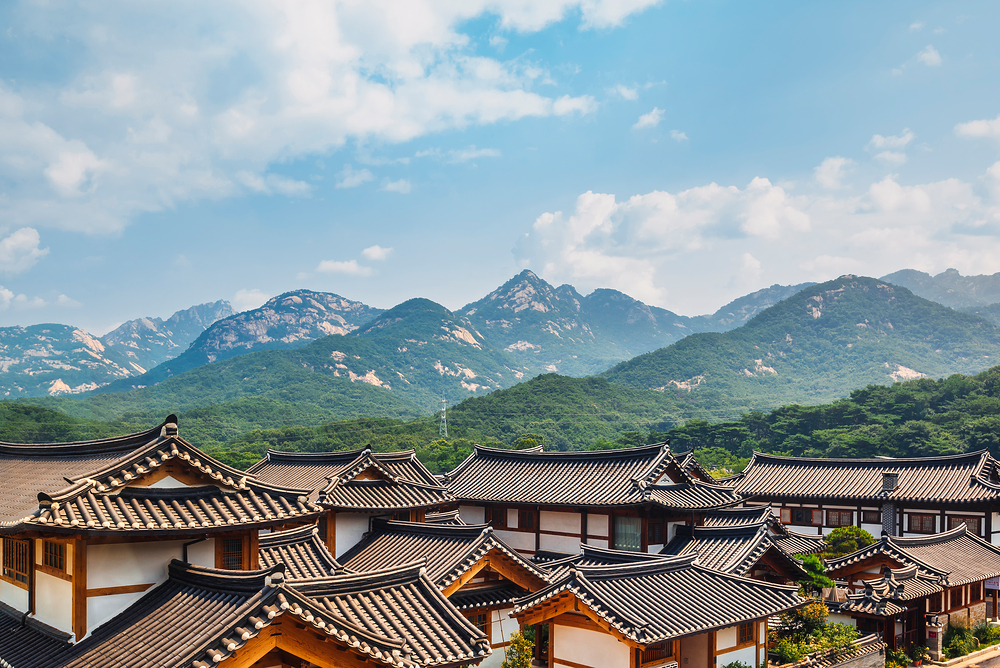
That's not an accident.
The city sits in a basin surrounded by mountains, and those mountains played an important role in the location and development of the historic capital.
The Joseon rulers didn't choose the location randomly.
The surrounding landscape offered natural protection and shaped the city's layout.
Walking from Inwangsan toward Bugaksan makes this much easier to understand.
You're essentially following the geography that helped define the old capital.


Inwangsan to Bugaksan: A 9 km Walk Through Seoul’s History
If you're visiting Seoul for the first time and want to see the city from a different angle, put Inwangsan on your list.
I know. A mountain hike probably isn't the first thing you think of when planning a trip to Seoul. Maybe you're here for the palaces, markets, cafés, shopping and food.
Maybe you don't even hike.
That's exactly why I like the walk from Inwangsan to Bugaksan.
It's not a remote mountain trek. You're right in the middle of Seoul, walking through pine forest one minute and looking down at apartment blocks and skyscrapers the next.
You pass parts of the old Seoul Fortress Wall, get some excellent views of the city, and finish the walk with a much better understanding of how Seoul came to look the way it does today.
The whole route is roughly 9 km, although the exact distance depends on where you start and finish.
And while there are some fairly serious stairs, you don't need to be an experienced hiker to do it.You just need comfortable shoes and a few hours to spare.
Making Memories in Seoul
Some of the best memories you make in Seoul aren't necessarily at the big attractions.
Sometimes it's standing on a mountain with the city spread out in front of you, catching your breath after a long set of stairs and realizing just how far you've walked.
It's stopping for a photo because the view is too good to pass up, laughing with the people you're travelling with, or simply sitting for a few minutes and watching Seoul move below you.
That's what I like about the Inwangsan to Bugaksan walk.
It gives you a few hours away from the busy streets without actually taking you away from the city.
You might have arrived in Seoul expecting palaces, shopping and great food.
And you'll definitely get all of those.
But a morning on the mountain can end up being one of the things you remember most.
The photos are nice, but being there is the part you'll remember.
Inwangsan to Bugaksan: The Basics
INWANGSAN → BUGAKSAN
Distance : 9 km
Walking time : 4–5 hours
Difficulty : Moderate
The Inwangsan to Bugaksan route is around 9 km and takes most people about four to five hours, depending on how often you stop.
I wouldn't rush it.
There are plenty of places where you'll want to stop for a photo, catch your breath, or simply take in the view of Seoul.
In terms of difficulty, I'd call it moderate.
You don't need to be a regular hiker, but you should be comfortable walking uphill and climbing stairs for a few hours.
The distance itself isn't particularly intimidating; it's the repeated climbs that you'll notice.
If you're visiting Seoul and already spend most days walking around the city, you may find it easier than you expect.
You also don't need to turn up dressed like you're about to climb a mountain in the Himalayas.
Comfortable walking shoes with a decent grip are fine for most people. I wouldn't recommend slippery sneakers, though, especially after rain when the stone steps and rocky sections can become surprisingly slick.
Bring water with you before you start. Seoul is full of convenience stores, but once you're properly on the mountain, you shouldn't expect to find one whenever you feel like a drink.
A bottle of water and a small snack are usually enough for the walk.
Spring and autumn are my favorite times to do it.
The temperatures are much more comfortable, and the scenery changes with the seasons. Summer is a different story.
Seoul can be hot, humid and 무더운, that heavy, oppressive kind of heat that makes even a short climb feel harder than it should.
Winter has its own appeal, particularly on a clear day when the air is crisp and the views can stretch a long way across the city.
Just keep an eye on icy steps and slippery surfaces.
Do you need hiking experience?
No. The important thing to understand is that 9 km doesn't sound like much until you add a mountain to it.
There are plenty of uphill sections, and the stairs can be tiring. If you spend your trip walking 20,000 steps a day, you'll probably be fine.
If your idea of exercise is walking from the subway to a restaurant, you'll want to take your time.
This is an urban hike in Seoul.
You're surrounded by the city for much of the route. You'll see roads and buildings, and you're never particularly far from civilization.
The strange thing is how quickly the city disappears once you get onto the mountain.
That's one of my favorite things about hiking in Seoul.
You can have breakfast in a busy neighborhood, walk for 20 minutes, and suddenly you're standing under pine trees wondering where everyone went.
Then you climb a little higher and Seoul appears again.
Starting on Inwangsan
The first part of the route takes you up Inwangsan, one of the mountains closest to central Seoul.
Inwangsan isn't especially high, it's around 338 meters, but it doesn't need to be.
The climb starts gently enough, then the stairs begin.
And there are quite a few of them.
If you're not used to hiking, this is probably where you'll start wondering why you thought this was a good idea.
Don't worry. Stop when you need to.
There's no reason to race up the mountain, and you'll miss some of the best views if you're concentrating only on getting to the top.
The trail passes through sections of pine forest and rocky terrain.
Every so often, the trees open up and you get your first proper look at Seoul from above.
That's usually when the effort starts to feel worthwhile.
The View From Inwangsan
The views from Inwangsan are one of the main reasons to do this walk.
You can look across central Seoul and start picking out places you've probably already visited, or are planning to visit.
The palace district is below you.
Namsan is visible in the distance, with Seoul Tower on top.
Apartment buildings stretch in every direction, and beyond the city are more mountains.
It gives you a completely different sense of Seoul.
From street level, the city can feel endless. From Inwangsan, you can finally see how it's tucked between the surrounding mountains.
And if you're visiting Seoul for the first time, this is something worth seeing.
The Seoul Fortress Wall
From Inwangsan, the route connects with the Seoul Fortress Wall, or Hanyangdoseong.
This is where the walk gets particularly interesting if you're more interested in history than hiking.
The wall dates back to the Joseon dynasty, when Seoul was the capital of the kingdom. It was built around the city as a defensive wall, following the natural ridges of the surrounding mountains.
Today, you're walking beside it while modern Seoul carries on below.
It's a slightly surreal combination.
There are old stones under your hand, and then you look down and see traffic, high-rise apartments and office buildings.
This is one of those places where Seoul's history doesn't feel like something you've been told about in a museum. It's right there in front of you.
Why Are There So Many Mountains in Seoul?
If you've spent even a couple of days in Seoul, you've probably noticed that mountains seem to be everywhere.
That's not an accident.
The city sits in a basin surrounded by mountains, and those mountains played an important role in the location and development of the historic capital.
The Joseon rulers didn't choose the location randomly.
The surrounding landscape offered natural protection and shaped the city's layout.
Walking from Inwangsan toward Bugaksan makes this much easier to understand.
You're essentially following the geography that helped define the old capital.